
The median sternotomy serves as the foundational access point for most cardiac surgeries. Surgeons rely heavily on the initial osteotomy to set the stage for the entire procedure. The quality of this primary cut directly dictates the trajectory of patient recovery and closure stability. Surgical departments constantly face a difficult challenge balancing procedural efficiency with strict tissue viability. Poor cutting mechanics create severe complications. Friction causes thermal necrosis along the bone edges. Jagged sternal margins weaken the structural integrity of the chest wall. These factors significantly increase the risk of post-operative wound dehiscence. We must technically evaluate the two primary modalities available today. The traditional blade mechanism and the wire cutting approach both offer distinct mechanical profiles. Comparing these tools helps determine which device delivers the necessary precision for specific clinical indications.
Primary Application: Blade saws remain the gold standard for primary sternotomies due to rapid cutting speeds and reliable midline accuracy through dense bone.
Specialized Precision: The fine structure of wire saws offers superior tactile feedback and maneuverability, making them highly advantageous for redo-sternotomies, pediatric cases, or navigating tight anatomical spaces with heavy adhesions.
Outcome Dependency: Sternal cutting precision directly influences the efficacy of subsequent sternal closure techniques. A cleaner cut enables accurate sternal fixation (such as double wire loops), reducing the direct perpendicular force strain on closure wires.
Procurement Strategy: Evaluating these sternotomy instruments requires analyzing not just clinical efficacy, but also consumable costs (blades vs. wires), sterilization protocols, and maintenance lifecycles.
Precision in a median sternotomy goes beyond simply dividing the bone. We define clinical precision through strict anatomical and mechanical criteria. First, the device must produce a minimal kerf width. A narrow cut preserves maximum bone stock for eventual closure. The sternum consists of an outer cortical shell and an inner cancellous core. Preserving the structural integrity of both layers is non-negotiable. Second, the surgeon must achieve strict midline adherence. Wandering off the midline creates asymmetrical sternal halves. This asymmetry severely complicates the healing process and creates uneven load distribution across the chest wall. Third, the cut must preserve the surrounding periosteum as much as possible. A clean division minimizes unnecessary trauma to adjacent soft tissues, which supply vital blood flow to the healing bone.
Thermal necrosis remains a primary threat during bone division. High-speed friction generates intense heat along the cutting path. Bone tissue is highly sensitive to temperature changes. When temperatures exceed 47 degrees Celsius for more than one minute, irreversible cellular death occurs. This heat instantly damages the osteoblasts and osteoclasts within the bone matrix. Dead bone cells cannot participate in osteogenesis. Consequently, thermal injury severely compromises the natural bone healing process. Surgeons must prioritize sternal cutting precision to mitigate this friction. Proper technique, sharp instruments, and continuous saline irrigation reduce heat generation. This preserves a viable, bleeding bone edge that is ready to heal.
The structural integrity of the bisected sternum dictates closure success. Advanced closure methods rely entirely on the quality of the initial cut. Accurate sternal fixation significantly reduces the incidence of wound dehiscence. A clean, straight cut allows the two sternal halves to mate perfectly. This seamless approximation distributes tension evenly across the entire sternum during respiration and coughing. Uneven edges create pressure points. These localized stress zones often lead to mechanical failure during patient recovery, causing the closure wires to fracture the bone.
Jagged or off-center cuts introduce severe mechanical vulnerabilities. Asymmetrical bone halves increase the risk of wire pull-through. When closure wires cut through fragile, poorly divided bone, the sternum destabilizes immediately. Conversely, a precise midline cut supports superior strength and stability. Clean margins allow surgeons to utilize advanced techniques effectively. Double peristernal closure requires uniform bone thickness to anchor the heavy-gauge wire. Interlocking stitches and rigid plate fixation also demand a smooth, robust bone edge. A high-quality initial cut ensures these closure materials hold securely without damaging the underlying bone architecture.
Midline Alignment: Ensures symmetrical bone halves for equal load bearing.
Kerf Minimization: Retains maximum bone volume to support heavy-gauge closure wires.
Thermal Mitigation: Preserves osteoblast viability for rapid post-operative bone fusion.
Periosteal Preservation: Maintains the critical blood supply necessary for osteogenesis.
Standard blade-based devices operate on high-speed mechanical dynamics. A powered surgical bone saw utilizes either reciprocating or oscillating motion. Reciprocating blades move rapidly up and down, functioning much like a traditional jigsaw. Oscillating blades swing side to side in a tight, rapid arc. Both mechanisms deliver immense cutting power directly to the sternum. The pneumatic or battery-powered motor drives the blade at thousands of cycles per minute. This rapid motion pulverizes the bone tissue in its path, allowing for swift entry into the thoracic cavity.
Blade engineering plays a critical role in cutting efficiency. The tooth geometry determines how aggressively the blade bites into the bone. Engineers design these teeth with specific rake angles, gullet depths, and pitch. This geometry actively clears bone debris during the cut. Efficient debris removal prevents the blade from binding in the dense cortical bone. It also reduces the friction that causes thermal necrosis. A well-designed blade pulls bone chips up and out of the kerf continuously, maintaining a clear path for the cutting edge.
The blade sternotomy saw excels in primary surgical cases. These devices offer unmatched efficiency in the operating room. They cut through uncompromised, dense adult sternal bone exponentially faster than manual alternatives. Speed is a critical factor during the initial opening phase. Rapid access allows the surgical team to establish cardiopulmonary bypass sooner, which is vital in emergency scenarios. For standard adult primary cases, the powered blade remains the undisputed gold standard for thoracic entry.
The inherent rigidity of the blade provides a distinct mechanical advantage. A stiff metal blade resists bending or deflecting during the cut. This rigidity assists the surgeon in maintaining a straight, true midline trajectory. A straight cut is absolutely critical for closure mechanics. It ensures the sternal halves are perfectly symmetrical. Symmetrical halves distribute closure forces evenly across the chest wall. This even distribution prevents localized bone fractures during the recovery period, especially when the patient coughs or mobilizes.
Despite their speed, powered blades present specific clinical risks. Thermal injury remains a constant threat during high-speed bone division. Friction generates rapid heat buildup within the narrow kerf. If irrigation is insufficient, the bone margins will suffer thermal necrosis. Dull blades exacerbate this problem significantly. A worn blade rubs against the bone rather than cutting it, generating massive amounts of heat. This friction destroys the osteogenic potential of the sternal edges, leading to delayed healing or non-union.
Collateral tissue damage is another serious consideration. The rigid blade extends past the posterior table of the sternum. The operator must meticulously control the depth of the cut. Plunging the blade too deeply can injure underlying structures. The heart, lungs, and major vessels sit immediately beneath the bone. Surgeons must lift the sternum and carefully guide the blade guard. A momentary lapse in depth control can result in catastrophic vascular injury, requiring immediate emergency intervention.
Verify battery charge or pneumatic line pressure before making the initial incision.
Inspect the blade teeth for any signs of dulling, burrs, or manufacturing defects.
Ensure the blade guard is properly seated and locked to prevent over-penetration.
Confirm the irrigation system is primed and ready to cool the cutting site immediately.
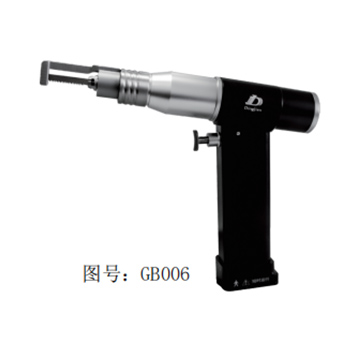
The wire sternotomy saw operates on a fundamentally different mechanical principle. These devices utilize a fine, braided wire structure rather than a rigid metal plate. Some systems employ a manual Gigli-style pulling motion, requiring the surgeon to alternate tension between two handles. Others use automated mechanisms to drive the wire in a continuous or reciprocating loop. The cutting action relies on the abrasive texture of the braided metal. As the wire moves across the bone, it files away the tissue layer by layer. This action creates a very narrow and precise kerf, minimizing bone loss.
The multi-directional cutting surface sets the wire apart from rigid blades. A standard blade only cuts in one specific direction, dictated by the orientation of its teeth. A braided wire cuts continuously across its entire circumference. This 360-degree cutting surface allows for unparalleled maneuverability. The surgeon can adjust the cutting angle dynamically mid-procedure without binding the instrument. This flexibility is impossible to achieve with a rigid, unidirectional metal blade, giving the wire a distinct advantage in complex anatomical presentations.
Wire saws demonstrate their true value during redo-sternotomies. Secondary surgeries present complex anatomical challenges that rigid blades cannot safely navigate. Patients often develop dense retrosternal adhesions after their first procedure. Scar tissue binds the heart, lungs, and great vessels directly to the posterior table of the sternum. The fine structure of the wire is particularly advantageous here. Surgeons can carefully pass the wire behind the bone with minimal clearance using specialized passing instruments. This avoids tearing the adhered tissues and prevents catastrophic hemorrhage.
Superior tactile feedback is the primary safety feature of the wire. The surgeon feels exactly what the wire is contacting through the tension in their hands. This sensory feedback loop is crucial in tight anatomical spaces. It allows the operator to distinguish between dense cortical bone and soft tissue instantly. Surgeons can confidently navigate around underlying vascular structures. They can protect fragile bypass grafts from previous surgeries. This tactile control significantly reduces the risk of accidental cardiac injury during reentry, making the wire an indispensable tool for complex cases.
Choosing a wire saw involves accepting specific procedural trade-offs. The most notable compromise is cutting speed. Wire abrasion is inherently slower than powered blade oscillation. Bisecting a dense adult sternum with a wire takes considerably more time and physical effort. In emergency situations where rapid access is required to establish bypass, this delay is unacceptable. However, in planned, high-risk redo cases, the safety benefits and enhanced tactile feedback far outweigh the time penalty.
Operating a wire saw also requires a distinct learning curve. The surgeon must maintain consistent, even tension on the wire throughout the entire cut. Improper tension leads to mechanical failures. Too much slack causes the wire to bind in the bone channel, halting progress. Excessive force or sharp angles can cause the braided filaments to fray. In worst-case scenarios, poor technique leads to complete wire breakage mid-cut, requiring the team to retrieve the broken fragments. Surgical teams must practice these specific tensioning techniques extensively to ensure smooth operation.
We must compare the microscopic edge quality left by each modality. A powered blade leaves a relatively smooth, uniform surface. However, the high-speed impact of the teeth can cause micro-fractures in the trabecular bone. Furthermore, it risks localized thermal damage if not irrigated properly, which smears the bone marrow spaces. A wire saw leaves a slightly more textured microscopic edge. The abrasive filing action does not generate the same high-friction heat as a blade. Therefore, the wire often preserves a highly viable bone surface with open marrow spaces. This viable surface is excellent for promoting rapid osteogenesis and cellular migration.
Edge viability directly impacts complex wiring techniques. A thermally preserved bone edge handles mechanical stress better during the recovery phase. It supports advanced closure methods like double wire loops effectively, preventing the wire from cutting through necrotic bone. The textured surface left by a wire can actually help closure materials grip the bone, reducing micro-motion. Conversely, a blade cut provides the perfectly straight geometry needed for rigid plate fixation, where flat surfaces must mate perfectly with titanium plates. The choice depends heavily on the surgeon's preferred closure protocol and the patient's bone density.
The physical demands on the operating surgeon vary significantly between devices. A powered blade handpiece is a heavy, substantial instrument. It contains a motor, bearings, and a drive shaft. The surgeon must manage the weight of the device while maintaining precise alignment over the patient's chest. Furthermore, the oscillating action transfers intense vibration directly into the surgeon's hands and wrists. Prolonged exposure to this vibration causes rapid muscle fatigue, decreases tactile sensitivity, and can contribute to long-term ergonomic injuries for high-volume surgeons.
Wire saws present a different ergonomic challenge. Manual wire systems require continuous, repetitive arm movements. The surgeon must apply mechanical tension manually throughout the entire cut, often in an awkward posture over the operating table. This pulling motion strains the shoulders, upper back, and forearms. Automated wire drivers reduce this specific strain but introduce their own ergonomic quirks. The surgeon must balance the tension of the wire against the pull of the automated driver, requiring a delicate touch rather than brute force.
Evaluating a Sternotomy Saw requires analyzing lifecycle management and sterilization protocols. Powered handpieces represent a significant capital investment for the hospital. They require rigorous, complex sterilization procedures after every case. Moisture and extreme heat from autoclaves degrade internal motor components over time. Battery packs lose their charge capacity after repeated sterilization cycles, requiring strict tracking. Pneumatic hoses require constant inspection for micro-leaks and pressure drops. These handpieces have distinct failure rates that biomedical engineering teams must monitor closely to prevent intraoperative failures.
Consumable management is equally important for both systems. Blades and cutting wires are strictly single-use items. Reusing these accessories compromises patient safety, destroys cutting efficiency, and violates infection control protocols. Facilities must maintain adequate inventory levels of both consumables to match their surgical volume. The supply chain must ensure that specific blade mounts match the facility's exact handpieces, as proprietary connections vary by manufacturer. Wire saws require dedicated passing instruments and tensioning handles that must be tracked in the surgical trays. Managing these distinct inventory streams requires careful logistical planning by the sterile processing department.
Performance Metric | Blade Saws | Wire Saws |
|---|---|---|
Cutting Speed | Extremely rapid; ideal for quick primary access and emergencies. | Slower; requires methodical tensioning and deliberate pacing. |
Midline Accuracy | High rigidity ensures a perfectly straight trajectory through dense bone. | Flexible nature requires advanced skill to avoid wandering off-center. |
Tactile Feedback | Minimal; motor vibration masks subtle tissue density changes. | Superior; direct transmission of tissue resistance to the surgeon's hands. |
Thermal Risk | High; requires continuous, aggressive saline irrigation to prevent necrosis. | Low; abrasive filing action generates significantly less heat. |
Primary Indication | Standard primary median sternotomies in adult patients. | Redo-sternotomies, tight anatomical spaces, and heavy retrosternal adhesions. |
Introducing a new sternotomy instrument requires comprehensive staff training. Surgical teams cannot simply switch modalities without practice, as the tactile feel and mechanical response differ drastically. Transitioning to advanced wire saw techniques demands dedicated hands-on workshops using synthetic bone models or cadaveric labs. Surgeons must learn how to pass the wire safely blindly behind the sternum using specialized dissectors. They must master the tensioning rhythm to prevent binding or fraying. Scrub nurses must learn the specific assembly, loading procedures, and troubleshooting steps for automated wire drivers to ensure smooth intraoperative handoffs.
High-risk redo cases leave no room for equipment unfamiliarity. The entire operating room team must understand the emergency troubleshooting protocols. If a wire frays mid-cut, the team must know how to extract it safely without leaving metal fragments in the wound bed. If a powered blade jams in dense cortical bone, the surgeon must know how to disengage the driver instantly to prevent torque injuries. Regular simulation training ensures the team reacts correctly during critical moments. Competency validation should be mandatory for all staff before utilizing new cutting tools on live patients.
Procurement committees must evaluate vendor claims with strict clinical scrutiny. Vendors often highlight blade durability, advanced tooth geometry, and thermal mitigation features in their marketing materials. Committees should request independent biomechanical data verifying these claims. They must assess the actual tensile strength of cutting wires under clinical loads to ensure they resist breakage. Requesting sample units for wet lab testing provides objective performance data. Do not rely solely on marketing brochures when evaluating cutting precision; hands-on evaluation by the surgical staff is mandatory.
Standardizing instrument trays is a critical operational goal for the sterile processing department. Mixed inventories create dangerous confusion during OR setup and increase the risk of missing components. Facilities should strive to consolidate their saw drivers and consumables to a single reliable platform. Cross-compatibility issues between handpieces and blades cause costly delays while the patient is under anesthesia. Ensure that the selected vendor can supply the full range of required accessories, including pediatric blades and specialized redo wires. A standardized tray reduces setup times, simplifies sterilization protocols, and minimizes the risk of intraoperative equipment mismatches.
Audit your facility's historical case volume to determine the exact ratio of primary to redo cardiac procedures, guiding your baseline inventory requirements for both blade and wire modalities.
Initiate a structured clinical trial period with two or three shortlisted vendors, focusing the evaluation strictly on surgeon feedback regarding ergonomics, cutting speed, and tactile feedback.
Standardize your sternal closure protocols based on the specific cut quality produced by your chosen instruments, ensuring your wiring techniques match the resulting bone edge characteristics.
Implement and enforce a strict single-use policy for all cutting accessories to guarantee maximum sharpness, prevent thermal necrosis, and ensure absolute sterility for every patient.
A: A blade saw uses a rigid, metal tooth design for high-speed, unidirectional cutting. It relies on motor oscillation to rapidly divide dense bone. A wire saw utilizes a flexible, braided metal structure. It cuts multi-directionally through an abrasive filing action, offering superior tactile feedback but slower cutting speeds.
A: Precision directly impacts bone viability. A clean, thermally preserved bone edge heals significantly faster. Accurate cuts ensure the sternal halves are perfectly symmetrical. This symmetry allows for secure sternal fixation, which drastically lowers the rates of post-operative sternal dehiscence and infection.
A: Advanced techniques like double peristernal closures require a robust, straight bone margin. A precise midline cut prevents uneven pressure points. This avoids direct perpendicular force on the steel wires. Consequently, it reduces the risk of the wires cutting through the bone and causing permanent displacement.
A: Yes. Redo-surgeries involve dense scar tissue and retrosternal adhesions. The fine, flexible structure of a wire saw allows surgeons to navigate these tight spaces safely. The enhanced tactile feedback helps the operator feel and avoid underlying vascular structures, grafts, or the heart itself.
A: Thermal necrosis is caused by intense friction during the cut. Using dull blades significantly increases this friction. A lack of continuous saline irrigation fails to cool the bone. Improper cutting techniques, such as forcing the blade, also generate excessive heat that destroys bone cells.
A: Blades and wires must be replaced after every single procedure. Modern cutting accessories are strictly designed for single-use. Reusing them guarantees a dull cutting edge. Dull edges cause severe thermal damage to the bone and compromise the sterility of the surgical field.


