
Sternal entry dictates the safety and pacing of thoracic surgery. You need precise equipment to divide the bone cleanly while protecting the right ventricle and innominate vein. A flawless entry establishes the foundation for the entire operation. Surgical departments face a distinct mechanical challenge here. They must achieve efficient bone division without risking catastrophic injury to underlying mediastinal structures. Evaluating a Sternotomy Saw requires looking past raw motor output. You must assess ergonomic control, mechanical suitability for specific procedures, and precise blade alignment capabilities. Primary sternotomies demand speed and smooth division. High-risk redo procedures require absolute depth control to navigate dense adhesions safely. Selecting the right instrumentation ensures your surgical team can execute these complex entries with confidence and mechanical reliability. We will break down the exact alignment techniques, mechanical differences, and procurement criteria needed to optimize your sternal entry protocols.
Mechanism Dictates Application: Reciprocating surgical saws offer rapid division for primary sternotomies, while oscillating saws provide the strict depth control required for redo procedures.
Alignment is Critical for Safety: Maintaining a slight upward blade angle is non-negotiable for protecting the innominate vein during primary entry.
Redo Sternotomy Nuances: Specialized blades (e.g., UBS blades) must allow for parallel alignment to safely shave calcified conduits from the posterior sternum table.
Procurement Focus: Device evaluation must balance clinical efficacy (vibration reduction, thermal control) with operational scalability (sterilization cycles, power modality standardization).
A successful sternum osteotomy requires meeting strict clinical baselines. You need clean bone margins to promote optimal healing and prevent postoperative non-union. The equipment must minimize thermal necrosis during the cut. Excessive heat generation damages the bone tissue, increasing the risk of deep sternal wound infections or osteomyelitis. Absolute protection of the mediastinal structures remains the highest priority. The saw must divide the bone efficiently without compromising the delicate tissues resting immediately beneath the posterior table.
To achieve these baselines, surgical teams must execute the procedure through specific, controlled phases:
Anatomical Landmark Identification: Palpate the sternal notch and xiphoid process to map the exact midline trajectory.
Soft Tissue Clearing: Divide the subcutaneous tissue and pectoral fascia cleanly to expose the periosteum.
Xiphoid Division: Carefully separate the xiphoid process from the linea alba to create a safe insertion point for the saw footplate.
Controlled Osteotomy: Engage the saw at full speed before contacting the bone, maintaining steady upward traction throughout the cut.
Hemostasis Management: Immediately apply bone wax to the marrow edges to control bleeding and stabilize the divided sternal halves.
The sternum is not uniform in thickness or density. The manubrium is significantly thicker and denser than the sternal body. This anatomical reality requires the surgeon to adjust their feed rate and upward traction dynamically as the saw progresses from the suprasternal notch downward. Applying uniform pressure across varying bone densities leads to blade binding in the manubrium or dangerous plunging through the thinner lower sternal body. You must anticipate these density shifts. The saw motor must possess enough torque to power through the manubrium without stalling, while the trigger mechanism must allow for instantaneous speed reduction as you approach the xiphoid process.
Equipment demands shift significantly depending on the surgical approach. Lateral thoracotomies provide unilateral access and bypass the sternum entirely. However, when bilateral exposure is required for procedures like bilateral lung transplantation or complex mediastinal resections, a median approach is mandatory. In these scenarios, the mechanical reliability of the saw becomes paramount. The instrument must perform flawlessly to secure the wide field of view necessary for complex intrathoracic maneuvers. Equipment failure during a median approach compromises the entire surgical timeline. You cannot easily convert a failed median sternotomy into a bilateral thoracotomy without introducing massive physiological stress to the patient.
Surgeons rely heavily on tactile feedback during the procedure. The saw must transmit the physical sensation of the blade breaching the posterior table. This feedback prevents the operator from plunging the blade into the mediastinum. High-quality saws balance aggressive cutting power with precise depth limitation. Tissue preservation depends on your ability to halt downward momentum the exact millisecond the bone is fully divided. Instruments lacking this tactile clarity force you to operate blindly, elevating the risk of accidental lacerations. The footplate of the saw acts as a physical barrier, but it is the surgeon's proprioception, aided by a well-balanced handpiece, that ultimately prevents injury.
Poorly calibrated equipment generates excessive vibration. This kinetic energy transfers directly into the patient's skeletal structure. High vibration levels lead to sternal micro-fractures along the osteotomy line. These microscopic breaks complicate the eventual wire closure process. Wires can pull through weakened, fractured bone, leading to sternal dehiscence. Mitigating vibration through well-balanced handpieces and sharp blades ensures the bone remains structurally sound, supporting a rigid, stable closure at the end of the procedure.
Vibration Source | Clinical Consequence | Immediate Corrective Action |
|---|---|---|
Dull Blade Teeth | Increased friction, thermal necrosis, bone chatter | Swap blade immediately; do not force the cut |
Loose Blade Attachment | Erratic cutting path, widened osteotomy gap | Halt saw, re-secure locking mechanism on handpiece |
Motor Bearing Wear | High-frequency handpiece shaking, surgeon fatigue | Switch to backup saw; send unit for maintenance |
Inadequate Upward Traction | Blade binding in dense manubrium bone | Increase upward pull; maintain full RPMs |
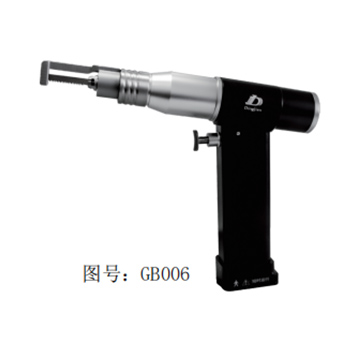
The vertical up-and-down motion defines the mechanics of a reciprocating surgical saw. This design excels in first-time sternotomies where the retrosternal space is free of adhesions. The linear stroke delivers rapid speed-to-cut ratios, allowing for swift division of the manubrium and sternal body. However, this vertical motion places specific physical demands on your wrist and forearm. You must actively control the upward pull to prevent the blade from driving too deeply on the downward stroke. Mastering this balance ensures a clean, efficient primary entry. The stroke length of a reciprocating saw typically ranges from 3mm to 5mm. Shorter strokes provide smoother cuts in brittle bone, while longer strokes clear bone chips faster in dense, healthy bone.
Repeat sternotomies present a completely different anatomical landscape. Scar tissue binds the right ventricle and prior grafts directly to the posterior sternum. An oscillating saw utilizes a side-to-side cutting mechanism rather than a vertical stroke. This lateral motion limits incision depth. It allows you to cut through the bone without the blade plunging downward into adhered tissues. Oscillation is the definitive standard for redo procedures. It provides the strict depth control necessary to prevent catastrophic laceration of the right ventricular wall during re-entry. The oscillating arc is usually set between 4 and 6 degrees, providing enough lateral movement to cut bone without catching and tearing adjacent soft tissues.
Rotating disc saws serve specific niche use cases within thoracic surgery. They are occasionally deployed in pediatric cases or specialized minimally invasive approaches. The rotary mechanism offers a very different safety profile compared to linear blades. It requires a steep learning curve to master the gyroscopic forces generated by the spinning disc. While effective for precise, shallow cuts, rotary saws lack the universal versatility of reciprocating or oscillating models for standard adult median sternotomies. They are highly effective for partial sternotomies where you only need to divide the upper manubrium without extending the cut through the entire sternal body.
Saw Type | Mechanical Motion | Primary Clinical Application | Depth Control Profile | Surgeon Tactile Feedback |
|---|---|---|---|---|
Reciprocating | Vertical (Up and Down) | First-time (Primary) Sternotomy | Requires active upward traction by surgeon | High resistance feedback during dense bone division |
Oscillating | Lateral (Side to Side) | Redo Sternotomy / High-Risk Entry | Excellent; naturally limits downward plunge | Smooth lateral feedback, highly sensitive to depth |
Rotary / Disc | Circular (Spinning) | Pediatric / Specialized Approaches | High precision but steep learning curve | Gyroscopic resistance requires firm wrist stabilization |
Optimal blade alignment begins long before the incision. Proper recipient setup is a strict prerequisite for adequate sternal exposure. The patient must be placed in a supine position with their arms tucked securely at their sides. The neck is extended using a transverse shoulder roll placed beneath the scapulae. This positioning elevates the sternum, opens the intercostal spaces, and drops the mediastinal structures slightly away from the posterior table. Without this foundational setup, achieving the correct cutting trajectory becomes biomechanically impossible. If the shoulder roll is placed too low, the sternum will not elevate adequately, forcing the surgeon to cut at an awkward, downward angle.
Executing a primary entry requires strict adherence to specific biomechanical principles. You must maintain the sternotomy saw blade alignment at a slight upward angle relative to the patient's chest. This trajectory physically pulls the sternum upward during the cut. Lifting the bone creates a vital physical buffer in the retrosternal space. This buffer is the primary defense against injuring the innominate vein, which crosses directly behind the manubrium.
Execution requires deliberate technique. You must position the blade within the suprasternal notch and bring the saw to full operational speed before engaging the bone. Starting the motor while the blade rests against the bone causes binding, skipping, and erratic cuts. Guiding the instrument smoothly at full RPM ensures the teeth clear the bone chips efficiently, preventing the blade from jamming mid-stroke. You must maintain this upward angle consistently until the footplate clears the xiphoid process.
Redo sternotomies demand a complete shift in alignment strategy. Surgeons utilize specialized, narrow blades designed specifically for reoperations, such as the UBS blade. Instead of an upward angle, the blade is held parallel to the sternum. This parallel alignment allows you to carefully shave calcified conduits or dense adhesions away from the posterior table without applying any downward pressure.
Advanced techniques enhance safety during this high-stakes phase. You often use heavy retractors to manually lift the anterior table while the oscillating blade works through the remaining bone. This lifting action creates microscopic windows of visibility, allowing you to navigate dense retrosternal adhesions safely. Mastering this parallel shaving technique requires profound anatomical awareness and precise hand-motor control. You must rely on visual cues from the bone dust and tactile changes in resistance to know when you have breached the posterior table.
Blade geometry dictates the instrument's clinical application. Standard right-angle blades feature aggressive tooth patterns designed for rapid primary entry. Conversely, straight, narrow, or tapered profiles are engineered for complex reoperations where space is severely restricted. The metallurgy of a sternal cutting blade directly impacts its performance. High-grade surgical stainless steel is mandatory. It maintains tooth sharpness under heavy friction. Dull teeth generate excessive heat rather than cutting, leading to thermal necrosis of the bone edges and delayed postoperative healing.
You must also evaluate the kerf—the width of the cut made by the blade. A wider kerf removes more bone stock, which can complicate wire closure if the sternum is naturally narrow. A thinner kerf preserves bone but requires a more rigid blade material to prevent bending or snapping during the cut.
Hospitals must evaluate the power source driving their surgical tools. Pneumatic (air-powered) saws deliver consistent, high-torque performance without the risk of battery depletion. They feature lightweight handpieces, reducing surgeon fatigue during prolonged cases. However, they require tethering to operating room air hoses, which can clutter the sterile field. The air exhaust must also be directed away from the sterile field to prevent aerosolizing contaminants.
Modern battery-powered electric saws offer superior, cord-free ergonomics. You benefit from unrestricted movement around the operating table. Procurement teams must weigh this ergonomic advantage against the reality of battery degradation over time and the slightly heavier handpiece profile. Lithium-ion batteries provide consistent power output until depletion, preventing the saw from sluggishly binding in the bone as the charge drops.
Operational efficiency relies on equipment modularity. Procuring a thoracic surgery saw that integrates seamlessly with existing hospital power-tool ecosystems provides a distinct advantage. Shared battery platforms reduce the need for disparate charging stations in the sterile processing department. Interchangeable handpieces allow surgical teams to switch between reciprocating and oscillating attachments rapidly without opening entirely new instrument trays. This modularity streamlines OR turnover times and simplifies inventory management for surgical technologists.
Introducing new surgical equipment carries inherent adoption risks. Surgeons develop deep muscle memory based on the weight distribution and trigger mechanisms of their legacy tools. Transitioning to a saw with a different center of gravity or a modified variable-speed trigger can cause initial user resistance. Departments must anticipate this ergonomic adaptation period. Providing hands-on familiarization sessions outside the operating room helps your team adjust to the new tactile feedback before they utilize the equipment in live clinical scenarios.
Equipment failure during a sternotomy is a critical event. Surgical teams must establish strict protocols for intraoperative redundancy. A manual Lebsche knife and a heavy mallet must always be present and immediately available on the sterile back table. The Lebsche knife allows the surgeon to manually split the sternum if power tools fail completely.
Additionally, a backup sterile saw should be accessible within the OR core. If a battery fails or a blade binds irreparably, the team must transition to the backup method within seconds to maintain patient stability and surgical momentum. You cannot leave a patient with a partially divided sternum while waiting for sterile processing to flash-sterilize a replacement tool.
Mastering specialized redo blades requires dedicated training. The parallel shaving technique used with oscillating saws is highly nuanced. Surgical departments should mandate vendor-led training sessions utilizing cadaveric models or high-fidelity synthetic bone. These controlled environments allow you to practice lifting the anterior table and navigating simulated retrosternal adhesions. Ensuring all operators master these advanced alignments before live clinical use drastically reduces the risk of right ventricular injury during complex reoperations.
Audit your current surgical caseload to determine the exact ratio of primary to redo sternotomies performed annually.
Inventory your existing OR power infrastructure to decide whether pneumatic or battery-powered systems align best with your sterile processing capabilities.
Establish a structured clinical trial period with two to three shortlisted vendors to gather direct ergonomic feedback from your surgical staff.
Implement standardized evaluation forms focusing strictly on blade alignment control, vibration levels, and postoperative bone integrity.
A: The blade must be held at a slight upward angle relative to the chest. This trajectory lifts the sternum during the cut, creating a physical buffer that protects the innominate vein and underlying mediastinal structures. Always bring the saw to full speed before making contact with the bone.
A: An oscillating saw uses a side-to-side cutting motion rather than a vertical stroke. This lateral movement strictly limits depth penetration. It allows the surgeon to divide the bone without plunging downward, protecting the right ventricle and dense scar tissue adhered to the posterior sternal table.
A: A reciprocating saw operates with a vertical, up-and-down motion, making it highly efficient for rapid bone division in primary sternotomies. An oscillating saw moves side-to-side, providing the precise depth control required for safe re-entry during complex redo procedures.
A: Dull blades fail to cut efficiently and instead generate severe friction. This friction causes thermal necrosis, burning the bone edges. Damaged bone tissue heals poorly, significantly increasing the patient's risk of sternal non-union and deep wound infections.
A: While the power source may be the same, pediatric cases require entirely different blade sizes, shorter stroke lengths, and often distinct, smaller handpieces. Pediatric bone density and anatomy demand highly specialized, scaled-down equipment to prevent catastrophic injury.
A: Electric saws must undergo strict autoclave procedures. Batteries must be removed prior to sterilization. Sterile processing departments must follow vendor-specific moisture mitigation protocols, ensuring all internal components are completely dry to prevent corrosion and motor degradation.


